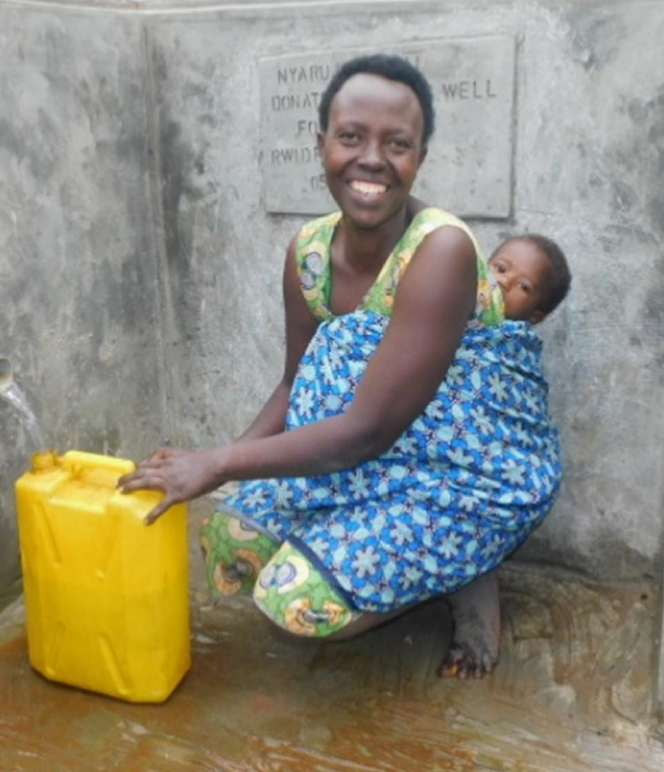
"The global water crisis affects everyone – but not equally.
Where people lack safe drinking water and sanitation close to home, inequalities flourish, with women and girls bearing the brunt. They collect water. They manage water. They care for people made sick by unsafe water. They lose time, health, safety, and opportunities. And too often, the systems that govern water leave women and girls out of decision-making, leadership, funding and representation.
This makes the water crisis a women’s crisis."
United Nations (World Water Day 026: Water and Gender)
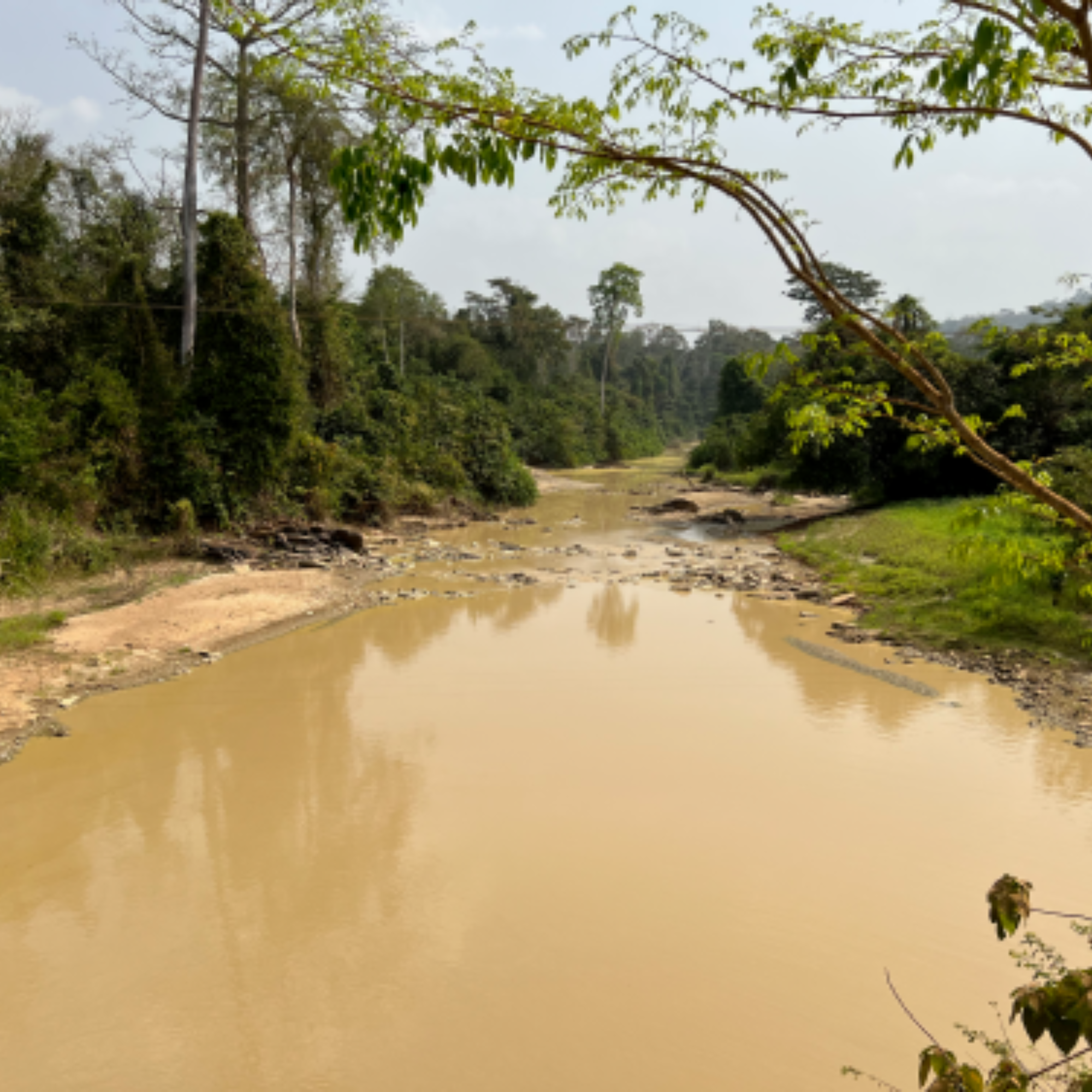
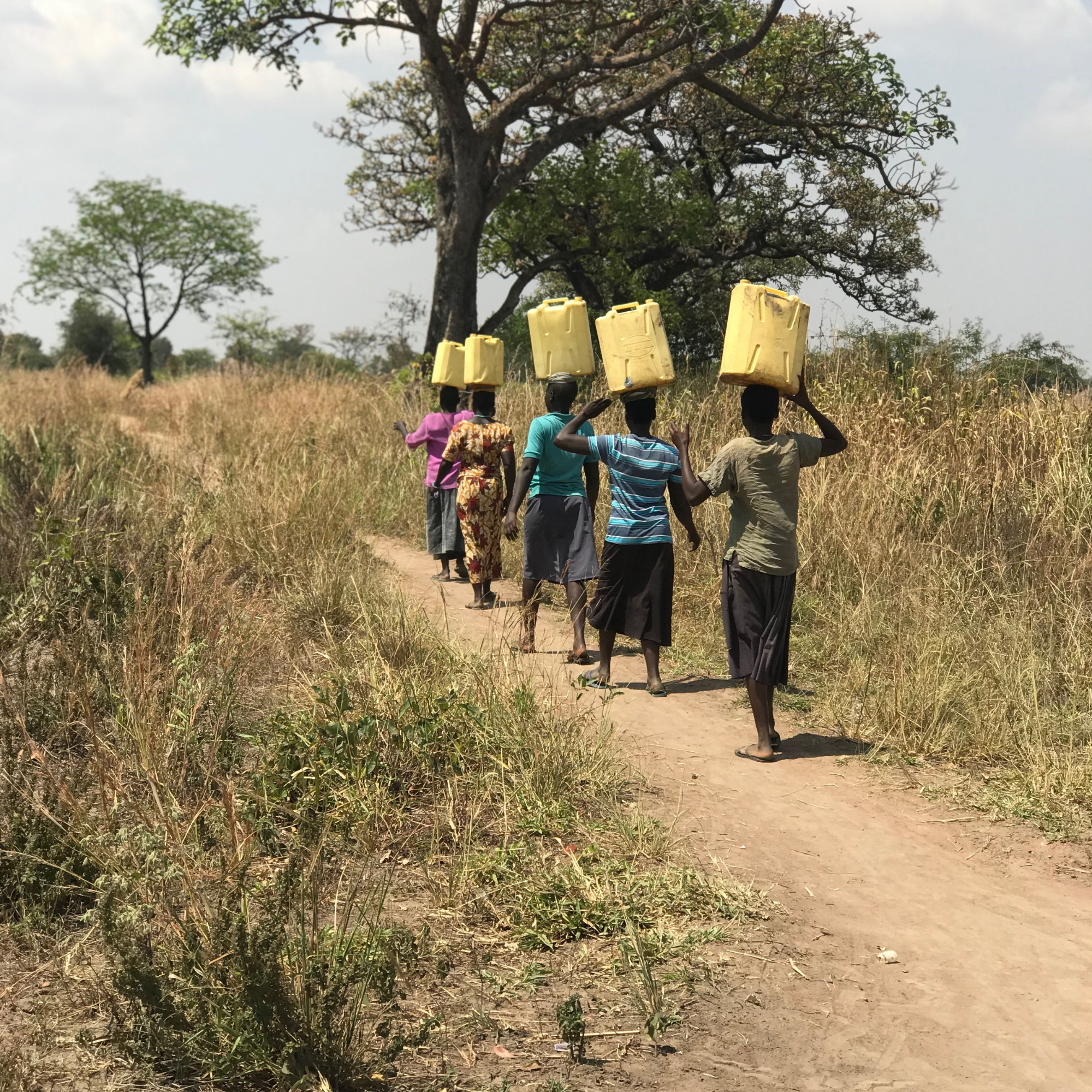 In many rural communities in Uganda and Ghana, women and girls remain primarily responsible for collecting water for household use. In areas without nearby water sources, families often rely on rivers, ponds, swamps, or unprotected wells, which are often contaminated with diseases (such as typhoid and cholera) and unsafe for consumption.
According to global WASH monitoring data, a single water collection trip in many rural communities in sub-Saharan Africa takes more than 30 minutes, and households may require multiple trips each day (WHO & UNICEF, 2023). As a result, women frequently spend between one and three hours daily fetching water, depending on distance, terrain, and seasonal water availability (UNICEF, 2016; World Bank, 2019).
These journeys are not only time-consuming but also physically demanding and potentially dangerous. The daily task of collecting water exposes women and girls to health risks, physical strain, and safety concerns, while also limiting their participation in income-generating activities and leadership roles within their communities (UN-Water, 2021).
Health impacts: Safe water reduces waterborne diseases such as diarrhea, cholera, and typhoid, which remain major causes of illness in rural communities (WHO, 2022).
Economic impacts: Less time spent collecting water allows women to participate in farming, entrepreneurship, or other livelihood activities.
Educational impacts: Dramatic decrease in school absenteeism and more higher education opportunities.
Social impacts: Decreased incidents of domestic violence and more opportunities for leadership roles in the community. Clean water fosters self-esteem, motivates and inspires women to reach for their goals.
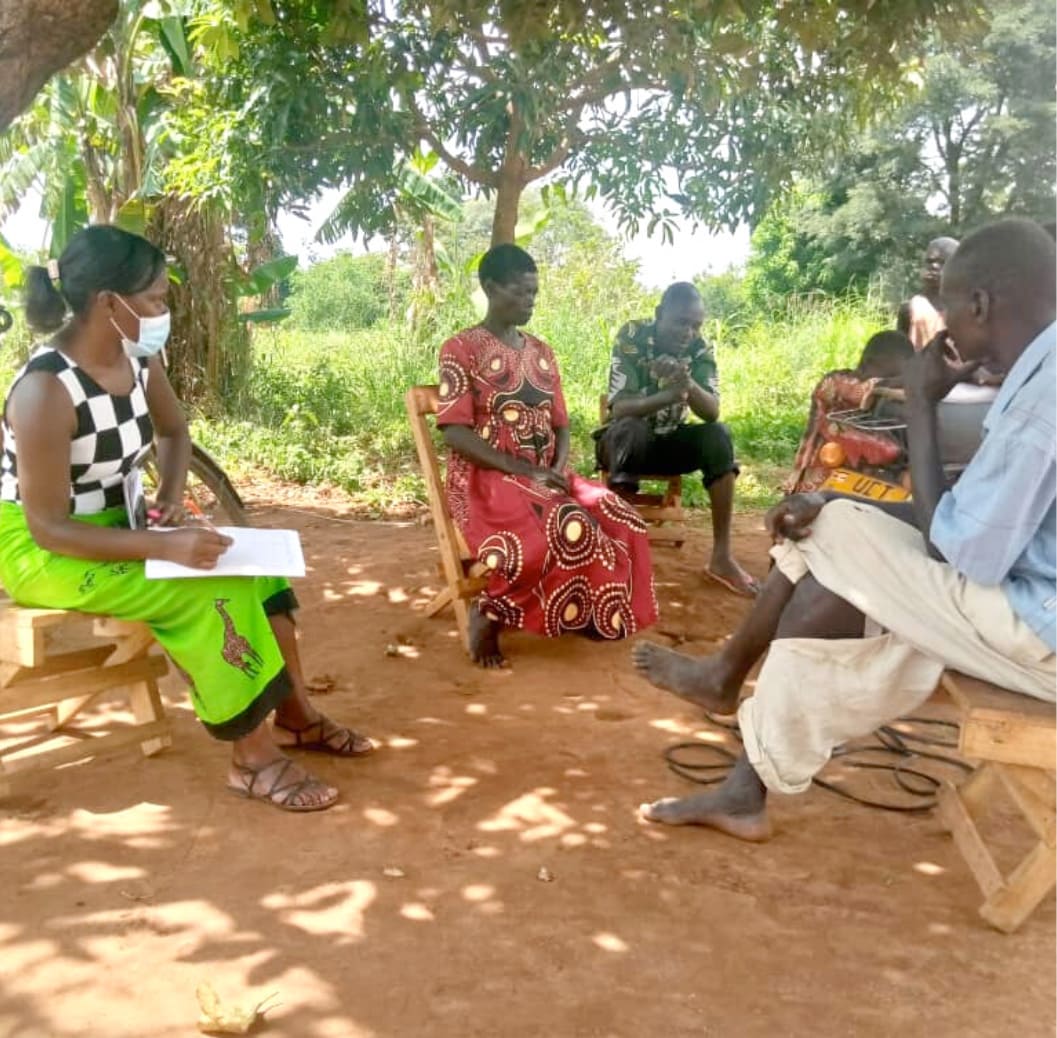 At Ryan’s Well Foundation, we recognize that sustainable WASH interventions must place women at the center of leadership and decision-making. Women possess invaluable knowledge about household water needs, community health, and long-term system sustainability.
For this reason, approximately 55% of Ryan’s Well Foundation’s grassroots, last-mile WASH initiatives are led by women; such as WASH committees, Village Savings and Lending Associations (VSLAs) and Water User Committees,
Through our partnerships in Africa, we have seen firsthand how women’s leadership strengthens community ownership, improves accountability, and ensures that water systems truly meet the needs of families.
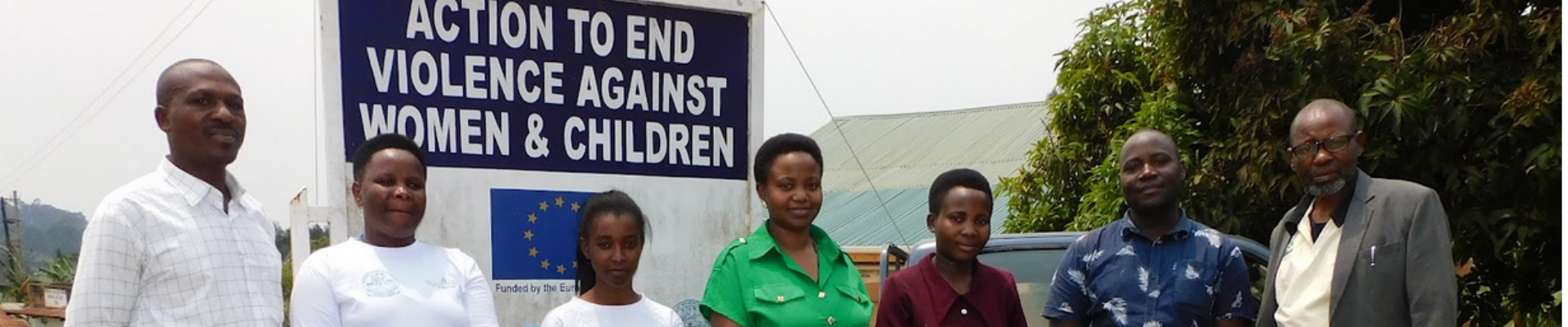
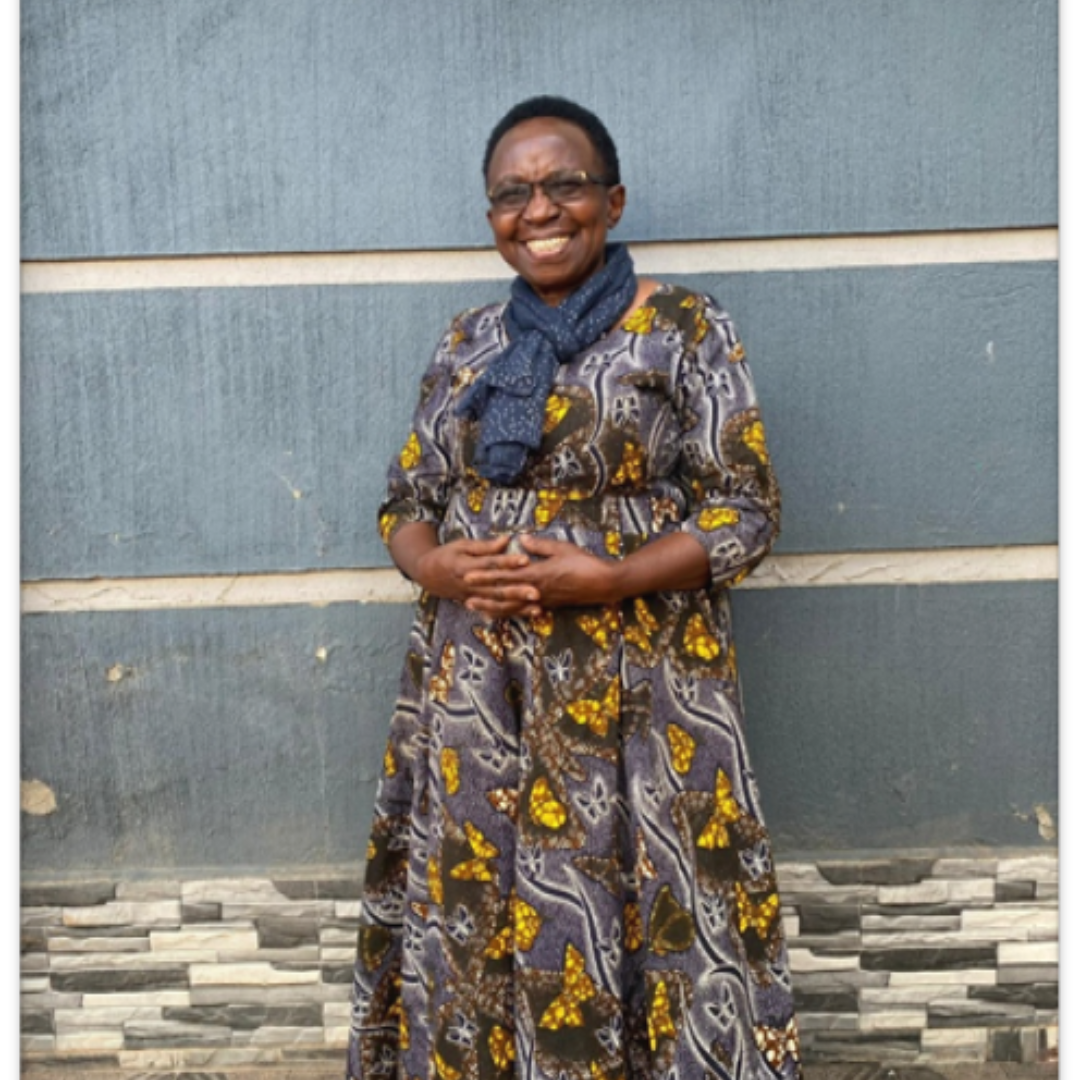 Helen Kabajungu is founder of the Rukungiri Women Integrated Development Foundation (RWIDF) in western Uganda; her work has empowered women and improved access to safe water in vulnerable rural communities. She is a voice to the voiceless. She leads by action.
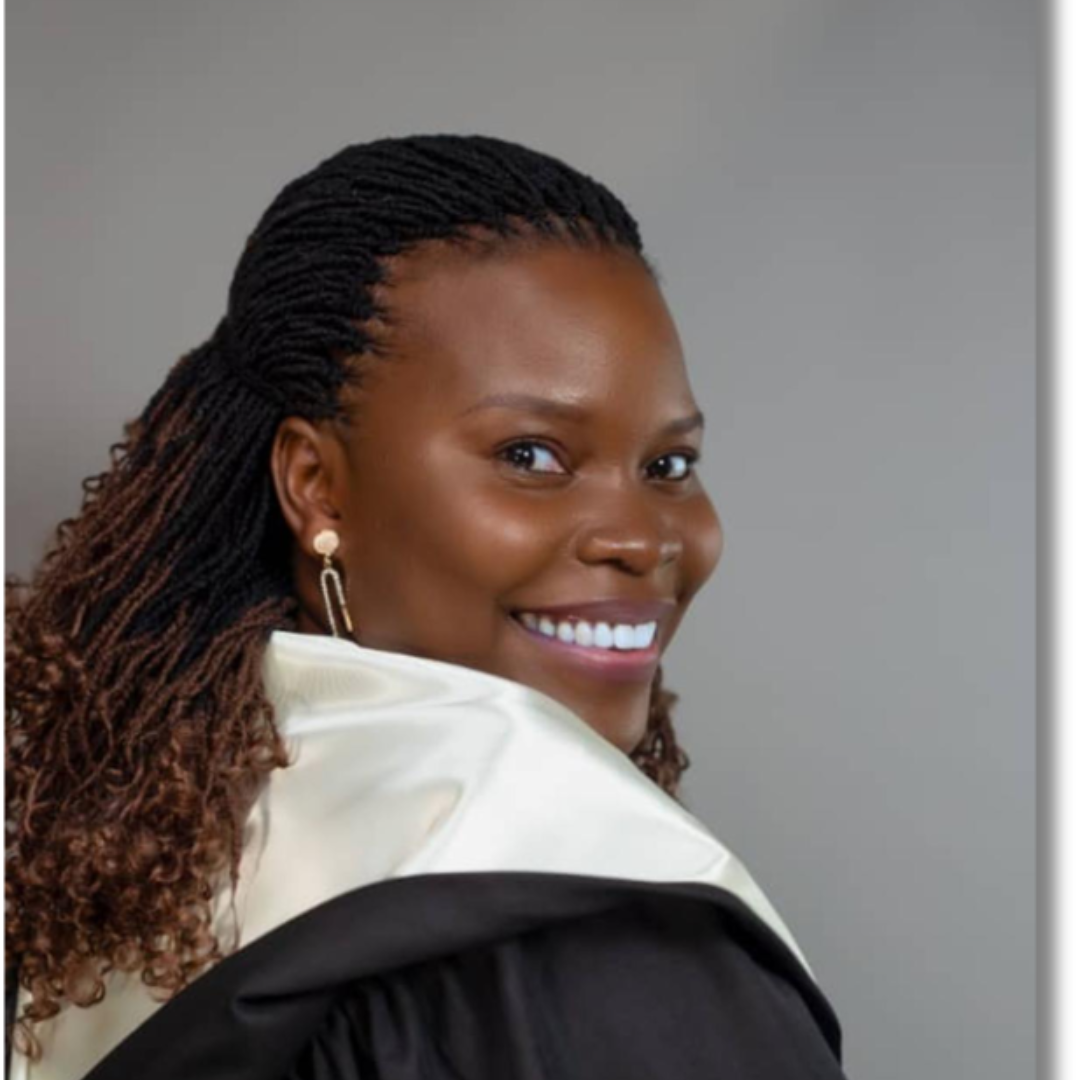 Juliet Nabweteme is Projects Officer at DivineAID in northern Uganda. She champions safe water access and community-driven WASH initiatives in last-mile communities.
Ryan's Well Foundation has a long history (over 28 years) of including women in key roles in their communities. We are pleased to highlight some stories here.